
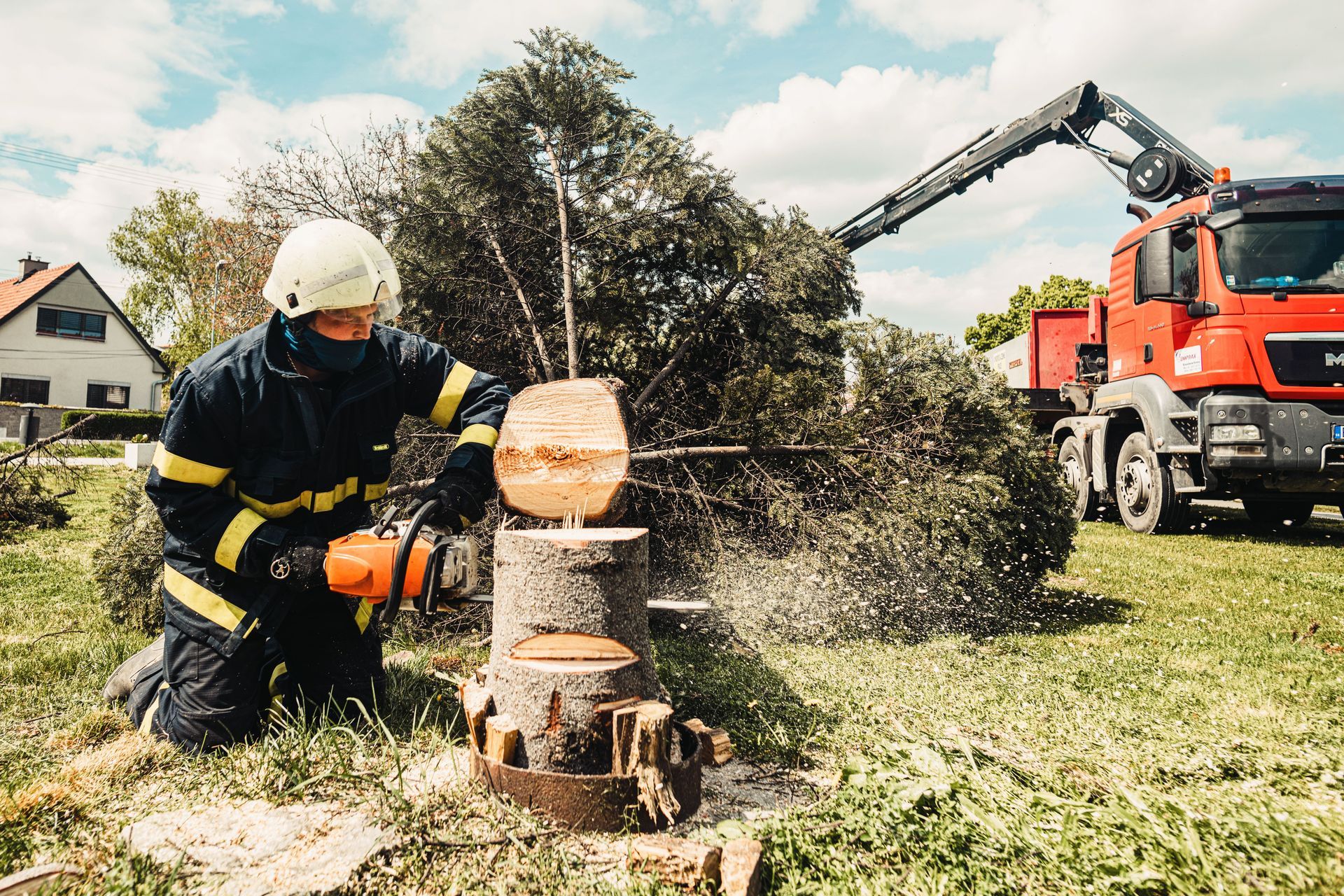
Stump Removal That Clears the Ground Completely
Stump grinding in Charlotte for leftover tree bases that block grading, planting, or usable yard space
A stump left after tree removal doesn't just sit idle. In Charlotte's established neighborhoods like Dilworth and Plaza Midwood, where mature hardwoods have grown alongside homes for decades, tree removal is common but stump removal is frequently skipped and paid for later. Exposed stumps attract wood-boring insects, interfere with lawn mowing, and block sod or bed installation in areas homeowners want to repurpose. Maximum Landscaping & Lawn Care handles stump grinding for residential properties where the remaining base is the last obstacle between a completed removal and a yard that can actually be used.
Stump grinding uses a rotating carbide-tipped wheel to cut the stump down below grade in passes, reducing the wood to chips and fine debris rather than extracting the whole root system. The depth reached depends on what the space will be used for afterward: surface grinding to roughly six inches below grade handles lawn situations where grass will be seeded over the area, while grinding deeper is necessary when the footprint will be used for planting, a patio foundation, or graded landscape bed. The root flare—the wide section where the trunk transitions to lateral roots—adds width to the grinding footprint beyond what the visible stump suggests, and that full footprint needs to be addressed to prevent regrowth from lateral root sections.
Request a stump grinding estimate from Maximum Landscaping & Lawn Care and confirm the intended use of the space so the grinding depth is scoped correctly from the start.
Gastonia, NC
28052
- Mon - Sat
- -
- Sunday
- Closed
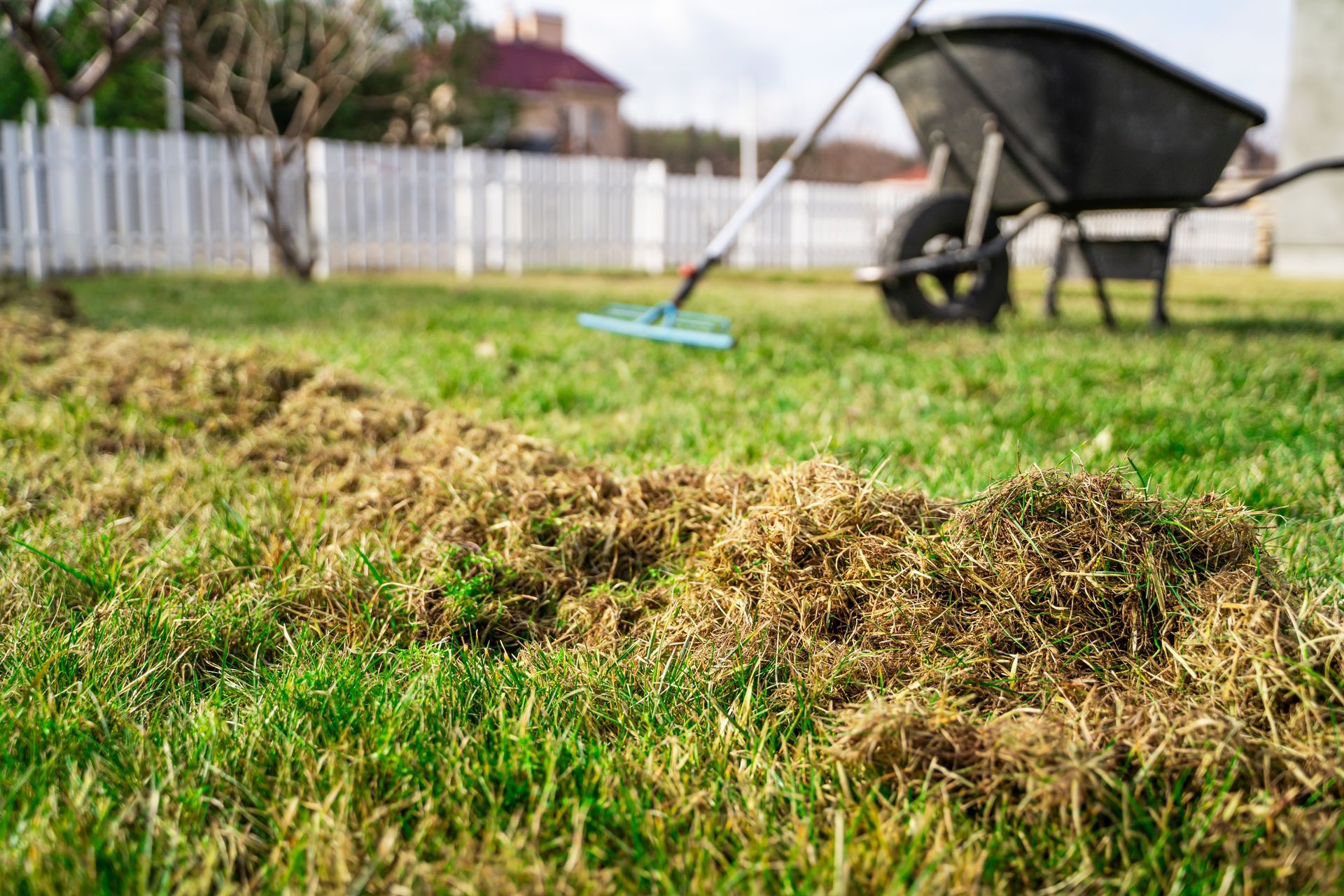
How Stump Grinding Addresses the Problem Below Grade
Before grinding begins, the area around the stump is cleared of surface debris, edging materials, and any ground cover that would interfere with the grinding wheel or obscure the outer edge of the root flare. The machine is positioned directly over the stump and the carbide wheel is worked across the surface in a controlled side-to-side pattern, taking the wood down in layers. Larger stumps from old-growth hardwoods—a common situation in Charlotte's older residential lots where oaks and maples were planted alongside homes built in the 1940s through 1960s—may require multiple positioning passes to clear the full diameter without overextending the machine's reach from one side.
Once grinding is complete, the footprint left behind is filled with the wood chip mulch generated during the process, which is tamped into the hole and mounded slightly to account for settling as the material decompresses and the remaining roots below break down. The ground surface where the stump stood is no longer an obstacle for mowing or foot traffic, and there is no raised edge or exposed root collar catching mower blades. Homeowners typically notice that the surrounding lawn can now be maintained in a single consistent pass without routing around or raising the deck.
One consideration that affects the process on older Charlotte properties is the proximity of original landscape planting to large stumps. Root systems from mature trees grow toward neighboring shrubs, utility runs, and established plantings, and grinding too aggressively toward those edges can nick irrigation lines or sever roots feeding adjacent plants the homeowner intends to keep. Maximum Landscaping & Lawn Care identifies those boundaries during setup so the grinding footprint is productive without damaging what's meant to stay in place.
What to Know Before Stump Grinding Starts
These questions cover the mechanics of the stump grinding process, including what affects the scope of the work, how the site is managed during and after, and what the finished footprint requires.
What determines how deep the stump needs to be ground?
The intended use of the cleared area sets the depth requirement. Lawn coverage over the footprint typically requires six to eight inches below grade, while slab or paver installation requires the full root mass to be cleared deeper to prevent organic material from decomposing under a hardscape surface and creating voids.
Why do some stumps take significantly longer to grind than others?
Wood density, moisture content, and root flare diameter all change the time required. Hardwoods like oak, which are common on established Charlotte lots, resist the carbide wheel more than softwood stumps and require slower, more deliberate passes to avoid overheating the cutting teeth and reducing their effectiveness mid-job.
How should the area be prepared before the grinding crew arrives?
Marking any irrigation heads, buried edging, or low-voltage lighting runs within several feet of the stump prevents damage during setup and grinding. Underground utility locates should already be cleared before any digging or grinding begins, which is a standard requirement before stump removal work in Charlotte.
What happens to the chips and debris after grinding is finished?
The wood chips generated fill the cavity left by the stump and are typically left on site, either mounded over the hole or spread nearby. Chips are not an ideal growing medium on their own and should be replaced with topsoil before seeding if the plan is to grow grass over the footprint within the same season.
When can the footprint area be planted or sodded after grinding?
Surface preparation—removing excess chips, adding topsoil, and grading the footprint level—should happen before seeding or laying sod. The remaining underground root mass will decay over time without affecting surface establishment, but the chip-filled surface hole needs amendment first to give seed or sod roots contact with actual soil rather than wood debris.
Maximum Landscaping & Lawn Care handles stump grinding for properties throughout Charlotte where leftover tree bases are blocking the next phase of yard work. Contact Maximum Landscaping & Lawn Care directly to schedule an on-site look at the stump, confirm the post-grinding plan, and get an accurate scope for the work.
Our landscaping services at a glance
If you’re ready to transform your landscape, make our team your first call for landscaping services. Our services include:
Installing trees
Installing plants
Mowing lawns
Trimming trees
Pruning trees
And much more
We can also help to keep your yard looking its best with our landscape maintenance services. Contact us now to arrange for pruning or mowing services.